Login

Login
21 Oct 2026
Jakarta, 14 October 2026
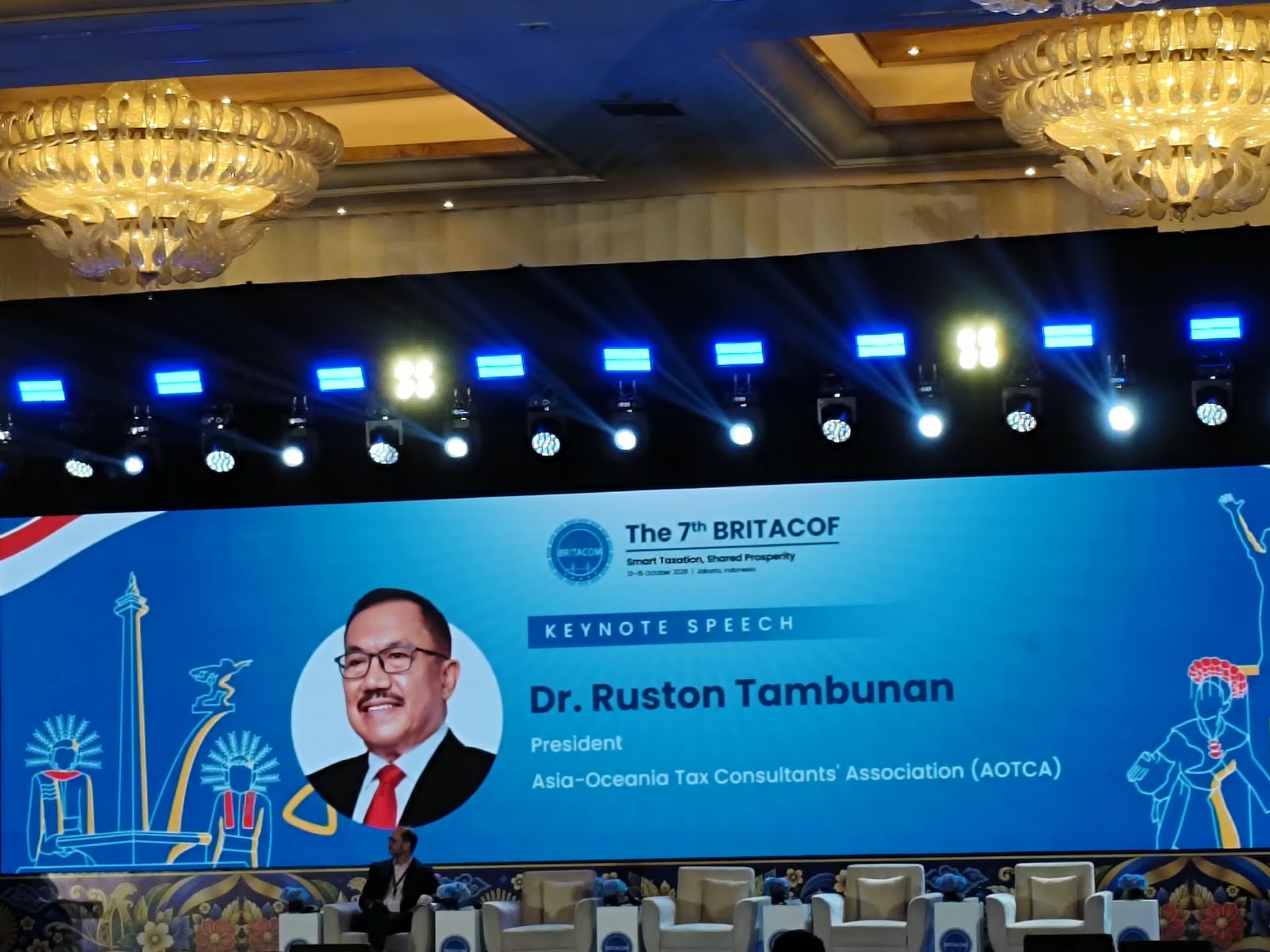
Ruston Tambunan, President of the Asia-Oceania Tax Consultants’ Association (AOTCA), represented the Association at the 7th Belt and Road Initiative Tax Administration Cooperation Forum (BRITACOF), held in Jakarta from 13 to 15 October 2026. The forum brought together more than 300 delegates, including representatives of tax administrations from nearly 38 jurisdictions, under the theme “Smart Taxation, Shared Prosperity.”
The program addressed how tax administrations can respond to digitalization and changing economic activity. Discussions covered tax administration and taxpayer services, streamlining tax compliance, international cooperation and capacity building, and dialogue with business and industry. The central focus was developing and launching the Tax Administration Product Portfolio (TAPP) 2.0 and Taxpayer Service Product Portfolio (TSPP) 2.0.
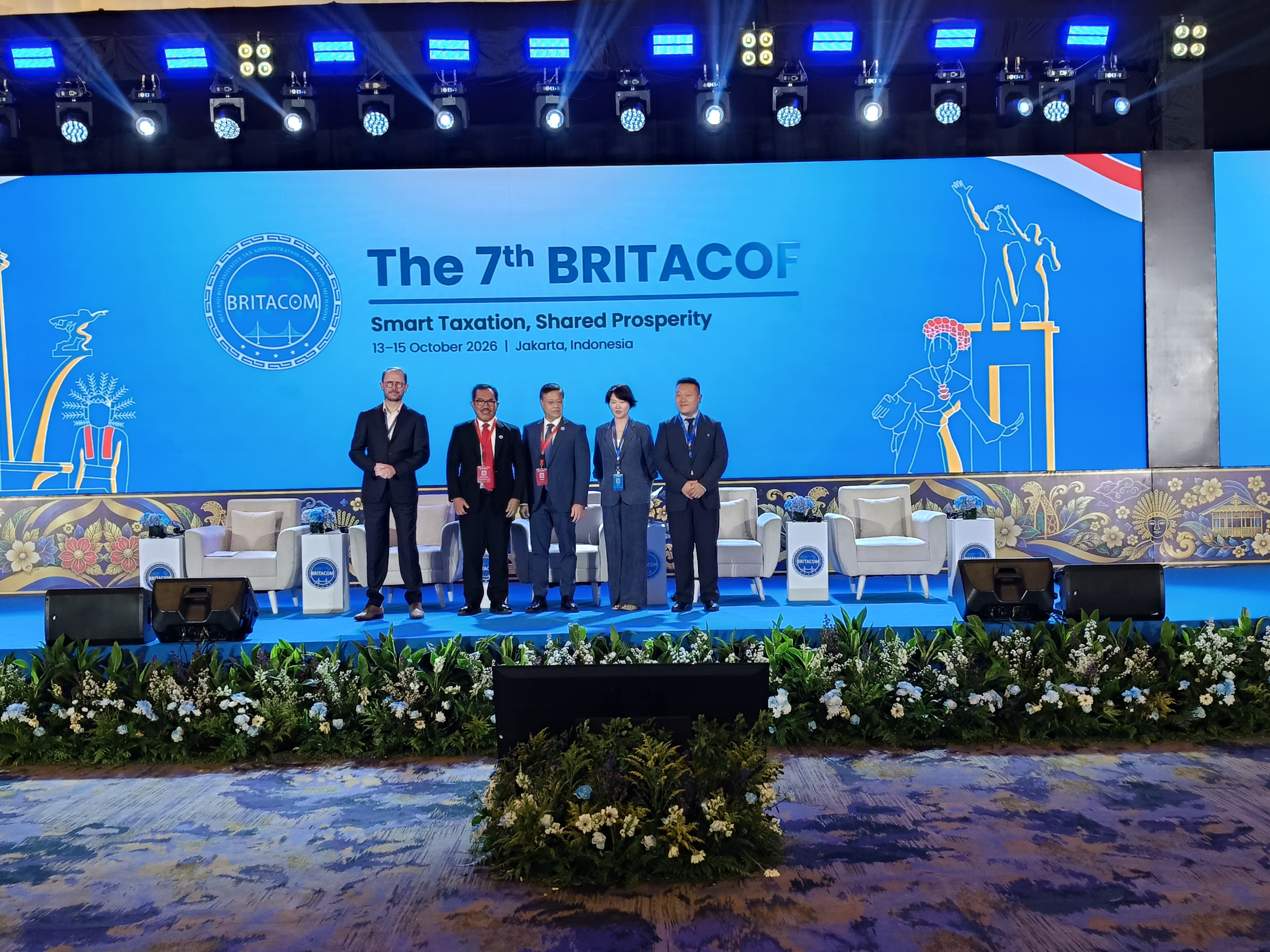
At the closing session, the meeting announced six key outcomes: a joint statement; TAPP 2.0; TSPP 2.0; product collections under the two portfolios; an updated training curriculum for the Belt and Road Initiative Tax Administration Capacity Enhancement Group (BRITACEG); and the BRITACOM annual report. The discussions highlighted the value of sharing practical experience as tax administrations adapt to digitalization and new forms of economic activity.
On 14 October, Ruston delivered a keynote presentation titled “From Counter to Cloud: AI and Big Data in Tax Consulting.” He used “tax consulting” broadly to include the consultation, guidance, information and assistance that tax administrations provide to taxpayers. Drawing on examples from China, Singapore, Hong Kong, Japan and Indonesia, he examined how AI and digital platforms are changing how taxpayers find information and obtain assistance.
The presentation traced a shift from published information to online consultation, guided compliance and potentially more proactive assistance. The examples illustrated different approaches: China’s 12366 platform and its scale; Singapore’s VICA chatbot as a first point of interaction; Hong Kong’s explicit recognition of the limits of AI-generated answers; Japan’s Futaba consultation tool; and Indonesia’s virtual assistants within broader tax administration digitalization.
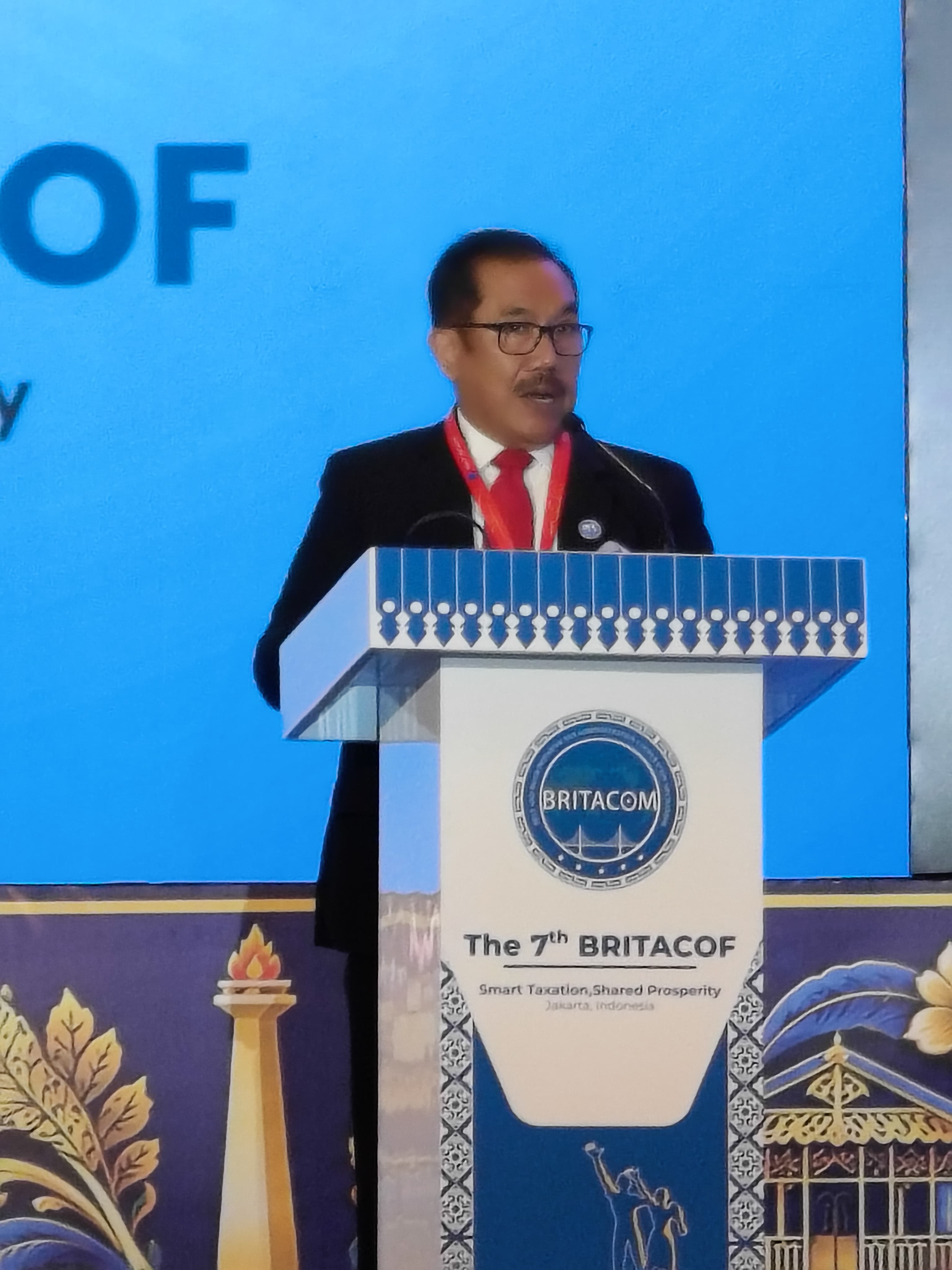
Ruston outlined three principles for AI-enabled tax consulting: accuracy before automation, transparency about the limits of automated guidance, and complementarity between AI and human expertise. AI can help with routine inquiries, searches, and first-level interaction. Questions involving ambiguous facts, novel transactions, cross-border tax issues, disputes, or professional judgment require human expertise and accountability. Taxpayers should also have a clear route to human assistance when an automated response does not resolve their question.
He noted that these changes affect both the tax profession and tax administrations. When technology reliably handles routine questions, tax professionals can focus more on interpreting rules, applying them to complex facts, and advising on uncertain or cross-border matters. Exchange among jurisdictions can help identify where digital services work well and where human review remains essential.
The forum gave AOTCA an opportunity to contribute tax professionals' perspectives to discussions on digital tax administration and taxpayer services. Its agenda and outcomes also underscored the importance of continued cooperation and capacity building as jurisdictions develop their services.


User Name:
Password: